
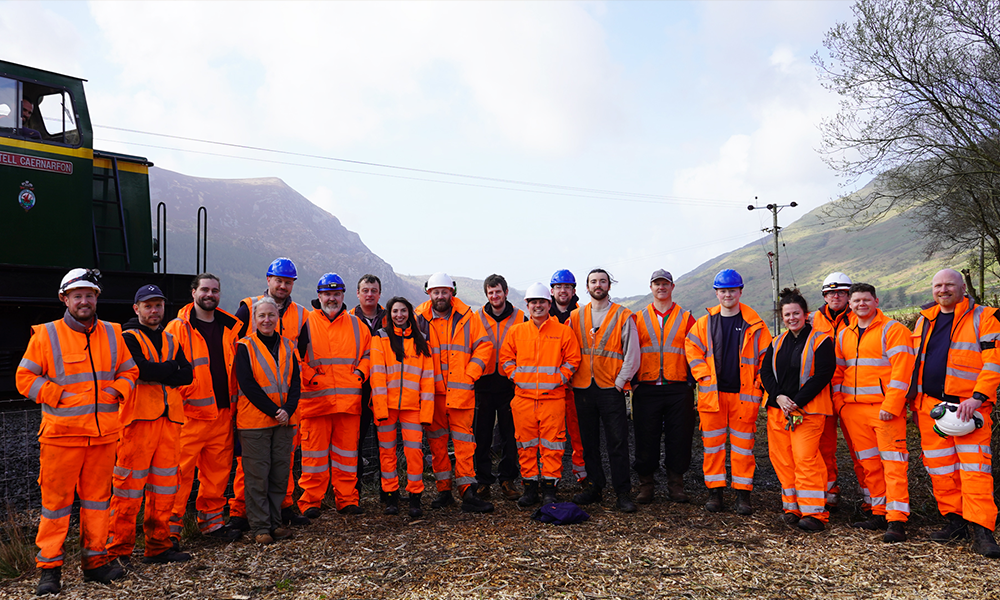



Last week, our team swapped their typical routine for a day trackside in North Wales, volunteering with the Ffestiniog and Welsh Highland Railway to help clear vegetation along a section of the line.
It was a great opportunity to get hands-on with the kind of maintenance work that helps keep railways running safely, while also supporting one of the UK’s most historic railways as it prepares for the busy summer season.
Spending the day trackside, we worked to cut back overgrown vegetation and clear stream blockages around a historic weighbridge built in the late 1880s.
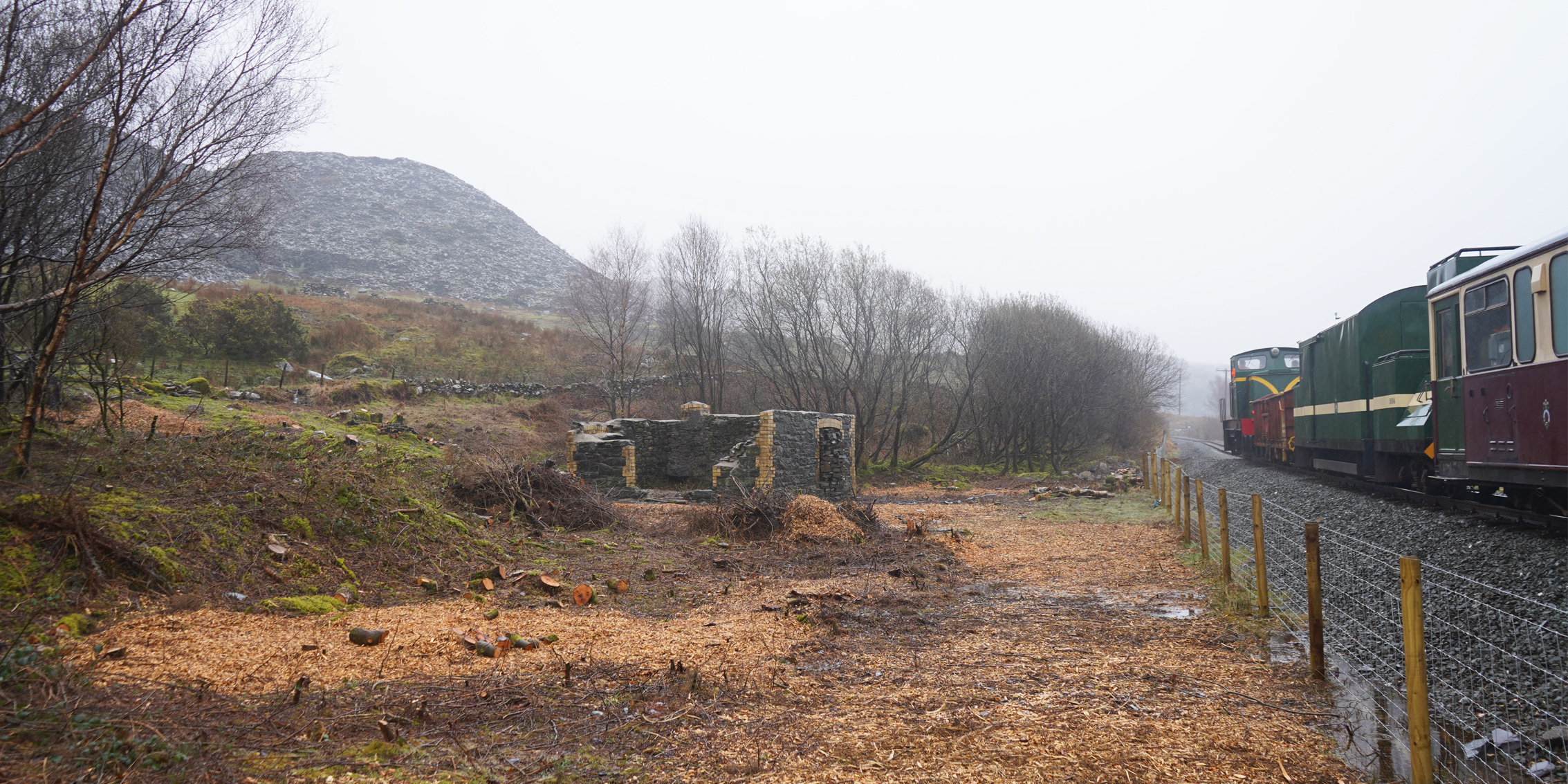
Preserving the railway heritage
Located within the UNESCO “Slate landscape of North Wales” World Heritage Site, the Ffestiniog Railway plays an important role in preserving the history and culture of the rail industry.
Originally opened in 1836, the railway has provided a vital transport link, moving large quantities of slate from the Welsh mountains to the coast, where it would be shipped around the world.
Today, the railway preserves this important history while allowing visitors to experience a unique part of Britain’s rail heritage.
The importance of vegetation clearance
Vegetation management is a routine and essential part of maintaining an operational railway. Over time, vegetation can begin to affect drainage, obscure sight lines, restrict access for maintenance teams and grow into the railway corridor.
For heritage railways, managing vegetation can present an ongoing challenge. Many of these railways rely heavily on volunteers to help keep the railway safe and operational.
By spending a day clearing vegetation on the site, our team was able to contribute in a small way to the safe running of services when the railway’s timetable resumes from the end of March to October 2026.
We’re proud to have assisted the railway in this way; not only to support safety and visibility on the line, but also help preserve this historical site for generations to come.
What the day involved
The team worked on a section of track that required vegetation clearance ahead of the summer operating season.
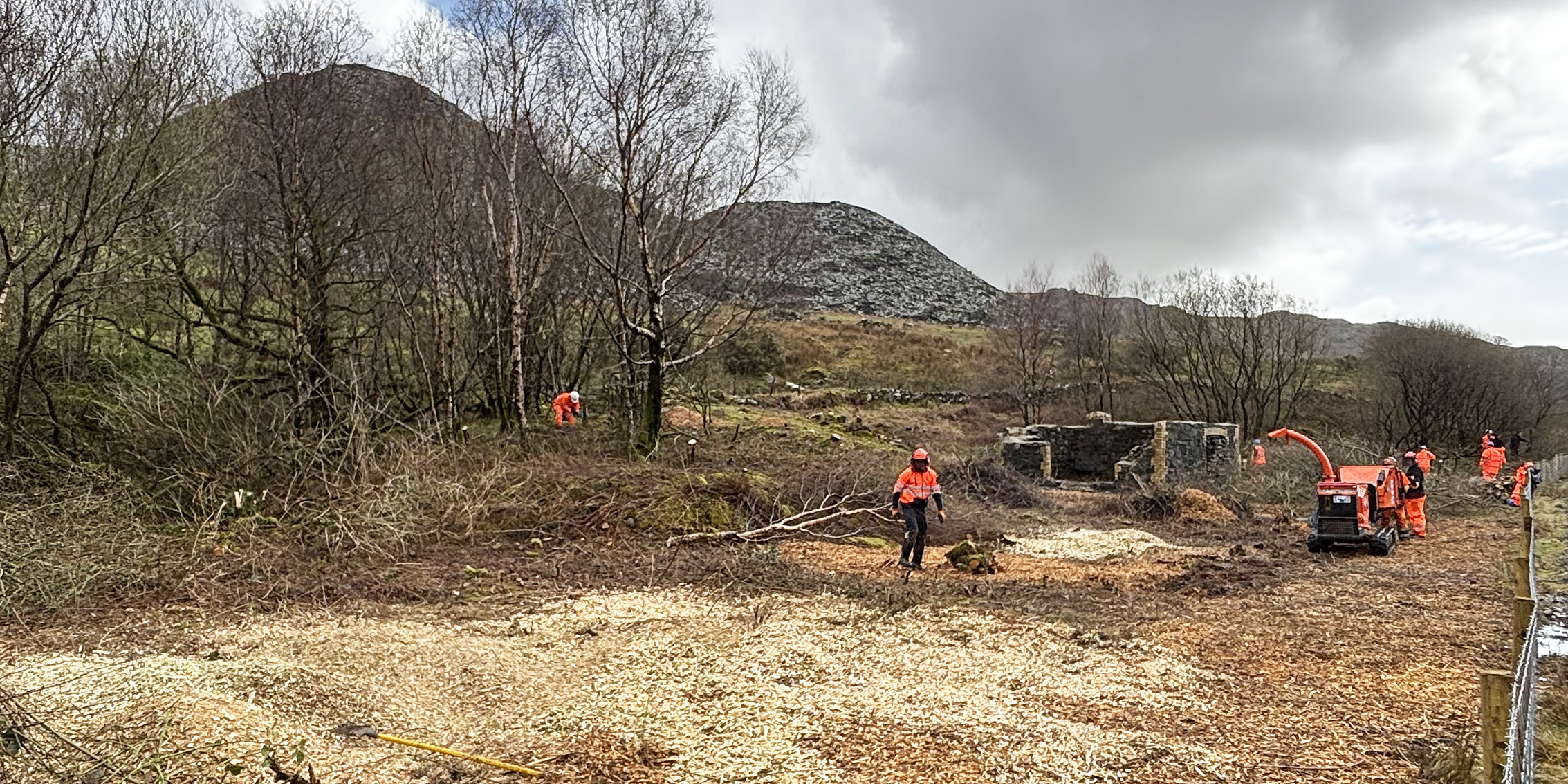
Using loppers, handsaws and a lot of manual effort, the team worked to clear overgrown vegetation that had begun to grow into the rail corridor and block small creeks. Trees and shrubs were cut back, branches pruned and brambles strimmed to improve access around the infrastructure.
Why it matters to us
As a team that works in the rail industry, the day provided a chance to step away from day-to-day roles and do the practical work ourselves. Some of the team are no strangers to work on the railway having worked in the industry prior to joining Tended. For others, this was a chance to experience this type of work firsthand.
Trackside work, including devegetation, are activities regularly carried out by our clients and this work offered an insight into the importance of routine maintenance that is a crucial part of safe railway operations.
The team also took the opportunity to experience Tended’s geofencing technology in a real-world rail environment. Demonstrating how the system works in this setting highlighted its important role in improving safety and situational awareness for those working lineside.
Supporting the rail industry
At Tended, we believe in supporting the industry we work in and are happy to get stuck into the practical side of operations.
We recognise the importance of supporting the wider industry and the people that help keep the network running. Initiatives like this allow us to support organisations that share our commitment to keeping railways operating safely.
Leo Scott Smith, CEO and Founder at Tended said “Getting hands on with physical maintenance work has been a great opportunity to get a glimpse of what it takes to keep our railways operational. Not only have we been able to contribute to preserving a heritage railway line, but this has allowed the wider team, including engineering and other roles who don’t typically work trackside, to experience the type of work our customers do.”
We’d like to thank the Ffestiniog and Welsh Highlands Railway for the opportunity to support with maintenance on this heritage site.


